
Digital Nomads
In a world with tighter borders, it's time to start paying attention to who is told to leave and who is encouraged to stay.

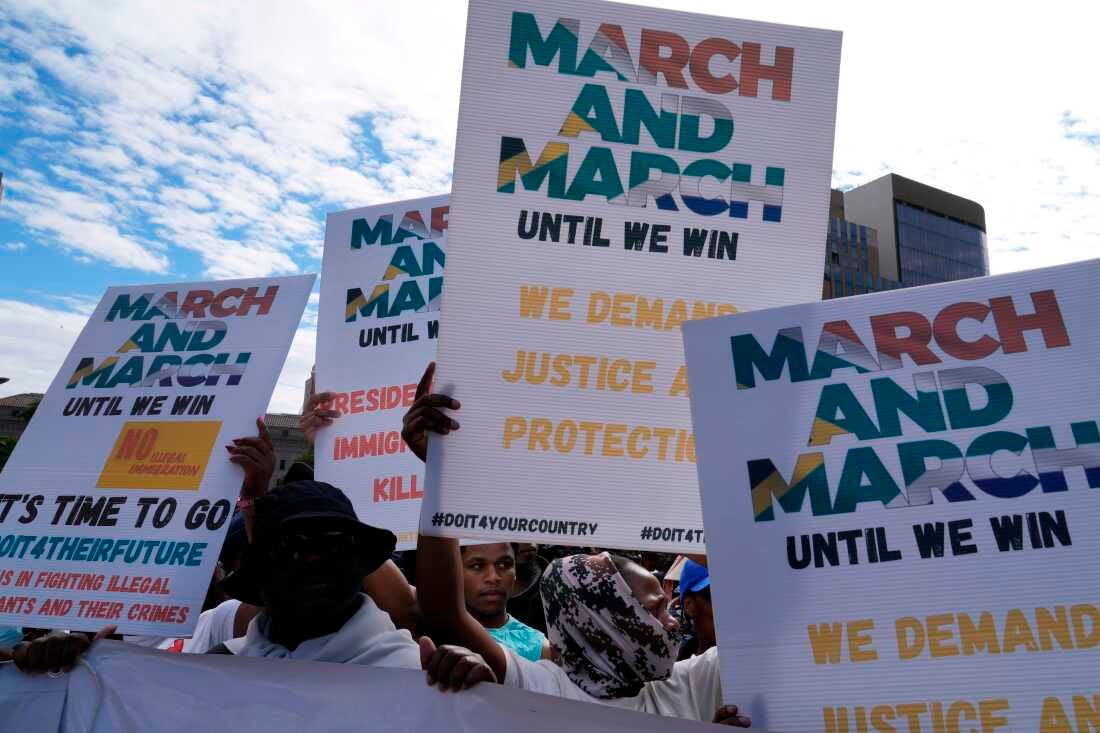
On June 30th, just two weeks after I’d left the country, South Africa erupted with anti-migrant protests, marking an unofficial deadline for undocumented immigrants to “self deport”. There were 120 marches across the country, centered around Johannesburg, the “melting-pot” of South Africa. Tensions have been coming to a boil since April, when citizen-led groups organized anti-migrant demonstrations in Johannesburg, Pretoria and Durban.
Anti-migrant violence has long simmered in the background of South African politics. Its most deadly spike post-apartheid was in 2008 when 62 people, including 21 South Africans, 11 Mozambicans, 5 Zimbabweans and 3 Somalis, were killed in an explosion of xenophobic attacks across the country. In recent months, spurts of attacks have returned, such as two Nigerians, Amaramiro Emmanuel and Ekpenyong Andrew, who were killed in late April in separate incidents that the Nigerian Consulate linked to rising anti-foreigner tensions.
Meanwhile, President Cyril Ramaphosa has put up a pretty weak fight against these attacks. In early June he affirmed that the concerns of anti-migrant groups were “real” and “deserve(d) to be addressed”, but that people should not resort to “vigilanteism.” Essentially, justifying the hate filled fear but saying law enforcement should handle the problem instead, which may not be a compelling argument for people already prepared to take the law into their own hands.
Now with the civilian-imposed June 30th deadline passed, thousands of immigrants are fleeing the country or camping outside of consulates waiting to be repatriated. And me? I walked in and out without a second glance. I had to tell the guy at passport control that I had a visa because he just stamped it without checking.
I don’t expect anyone to be shocked by the fact that an American is easily able to enter and leave South Africa while immigrants who actually work for national industries are being scape-goated out. But unlike in the US, where, at the very least, Europeans have had a marginally harder time getting into the country due to Trump’s tirade on immigration, South Africa has opened its doors to any Westerner who wants to throw around some euros and dodge taxes.
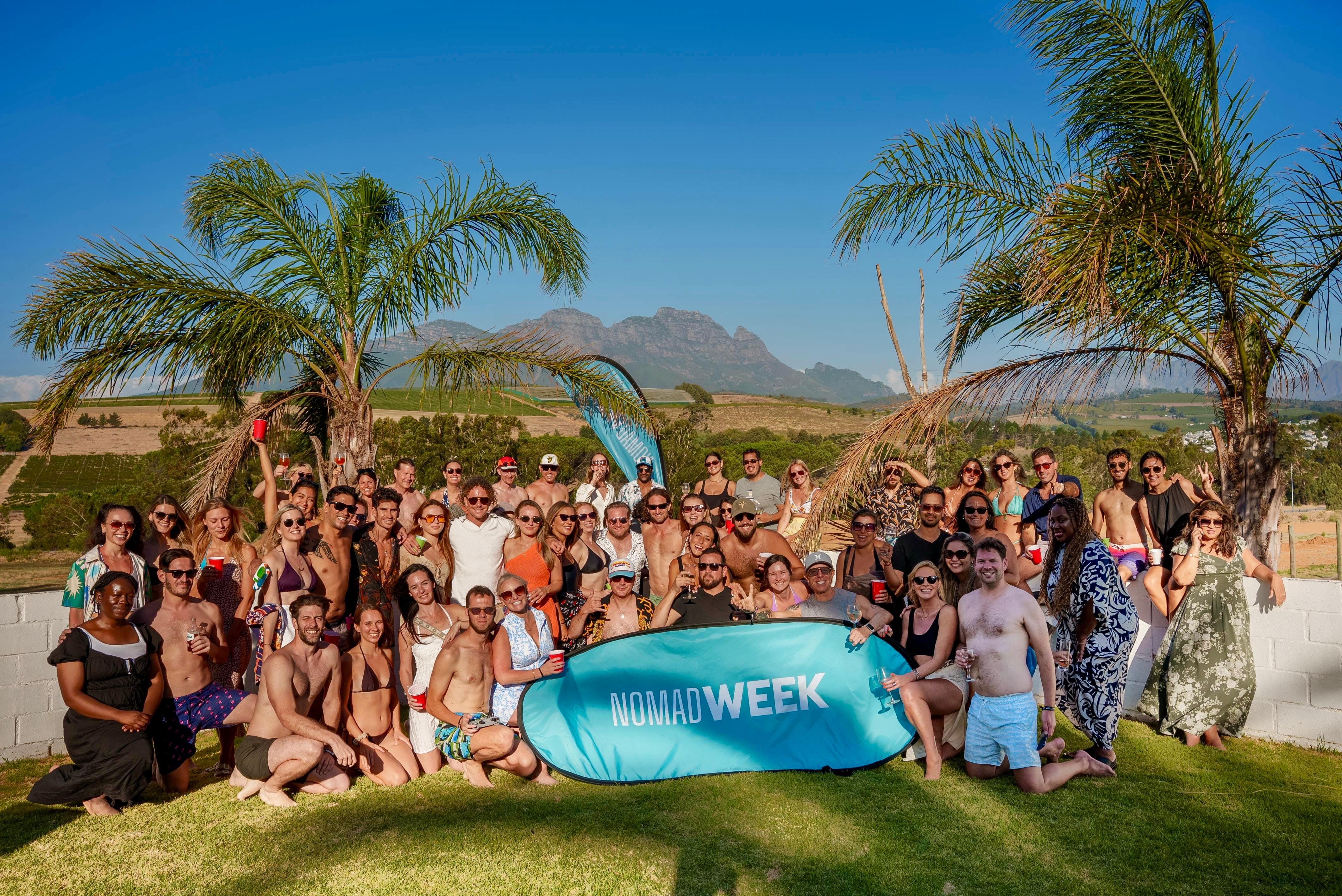
South Africa has begun to court a new class of international travelers: digital nomads. In 2024, the government created a visa for remote workers to live in the country for up to 3 years, provided they make over $38.5k a year (which lands them in the top 10% of all earners in South Africa). And while the visa works in the country’s interest by creating more opportunities for taxation, there’s enough wiggle room for people to work around this, especially since most digital nomads stay for max 90 days. Rather than taxes, the primary stated benefit of digital nomads is the money they spend. The biggest hub of digital nomads is in Cape Town, where Alderman James Vos, a member of the city’s committee for economic growth, told reporters they contribute $2,700 per month to the local economy. But the question is who does this money go to, and who does it price out?
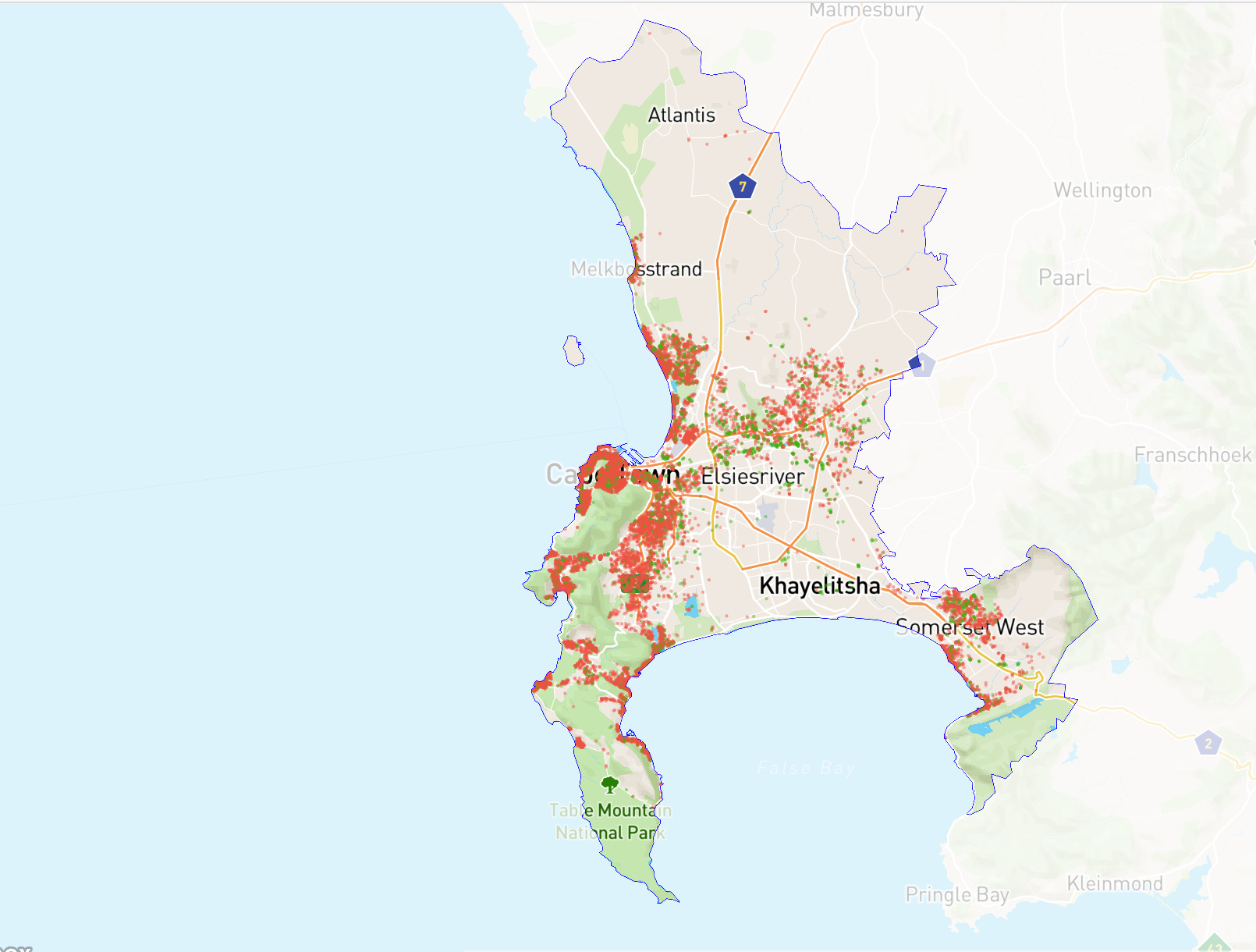
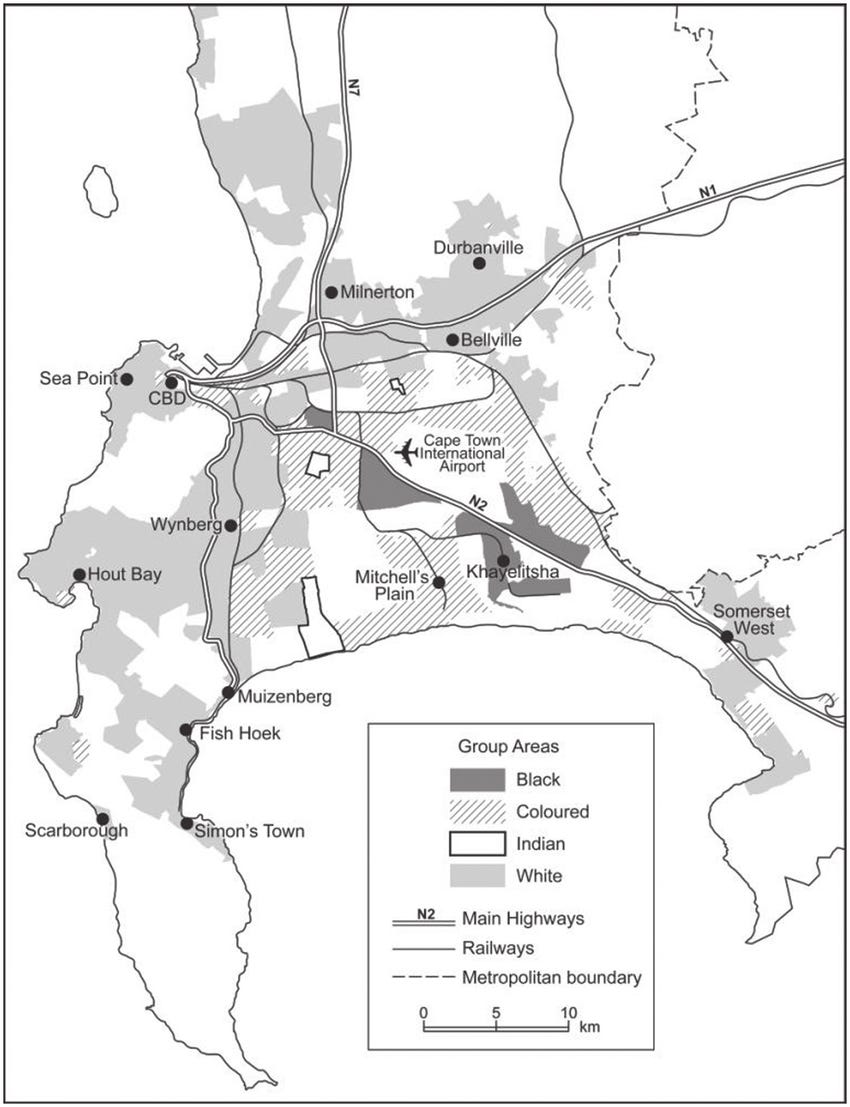
Roughly 70% of housing in Cape Town’s downtown housing is short term rentals geared towards tourists and temporary residents. This is because foreigners can often afford to pay significantly more for housing than locals. Data on AirDNA suggest some short term rentals can generate as much as $24,000 per year. Meanwhile, a long-term rental apartment with a local tenant generates roughly between $8,640-$13,000 a year. A map of all rentals in the city from Inside Airbnb shows that these rentals are primarily clustered around the city center and its neighboring coastal districts, with other pockets in beach towns along the cape. When compared to a map of the designated racial zones enforced under apartheid, one can see the white zones and the areas of high rental density line up pretty perfectly. In other words, locals are being priced out of the very same areas they were removed from in 1950.
I don’t want to gather the impression that I think digital nomads are responsible for this. There are only 10,000 nomads in Cape Town, and 11.1 million annual tourists. But tourists aren’t responsible for this either. They are not the constructors of centuries of colonialism (though many of us are the inheritors of its spoils), nor the systematic destruction of racial autonomy through apartheid. The primary blame lies on a city that continues to funnel money into tourism, such as a ~$1.5 billion investment in its waterfront, but has not provided affordable housing in the central districts of the city for decades.
This argument shouldn’t be used as a tool to deflect self reflection. I relate to digital nomads, in many ways we’re the same. We found a way to live abroad for an extended period of time while still pursuing our academic/career goals. We imagine ourselves as more “local” than tourists, uncovering hidden gems that they never would. And, ultimately, we leave, feeling changed by the place we think we came to know intimately.
But in terms of our dollars? We’re tourists. I read an article from a digital nomad arguing that, while they take up housing that would otherwise be inhabited by locals, digital nomads can make a difference because they don’t go to the same places as tourists, they’re more “off the beaten track” and so they give their money to more local businesses. This is sometimes true. But mostly we buy groceries from big chains. We buy $3 lattes from bougie cafes locals can’t afford anyway and post on social media about how cheap it is. I didn’t stay in an Airbnb, but I stayed in the private, expensive university housing that was included in my programs’ cost. Sure, we funnel money into the economy, but the bulk of it ends up with landlords and corporations.
South Africa is a country of contrast. By some estimates, it’s the most unequal country in the world. In that context, it makes sense that affluent (predominantly white) Westerners are welcomed while African migrant workers are not. It’s similar to how in the US, another vastly unequal country, immigrants can be scapegoated for taking jobs while Amazon lays off 16,000 workers to improve AI efficiency. Tourists are not like Amazon, we aren’t the architects of this mess. But in many ways we are leeches, sucking the blood of less affluent economies with our powerful currency.
So what do we do? Do we just not bother visiting countries like South Africa? Stick to Europe? Well, not necessarily. Partially because it’s naive to think that European cities can’t get gentrified by tourists (they can, take Amsterdam’s battle with Airbnb as proof). But also because Cape Town is a place worth seeing. It deserves to be seen and learned from.
This article isn’t going to end with a list of things you can do to be an “ethical tourist”. Probably there’s no such thing. Which is why we all tend to ignore the morality of travel and book Airbnbs anyway. But that’s a very nihilistic way to look at things, and pretty unhelpful to locals. If you have the ability to travel, you have the ability to research alternatives. Like local BnBs or hotels, local tours, etc. In Africa specifically looking at Black owned businesses (which I was not good at when I traveled in Namibia for my spring break). Your trip will probably never be “ethical” (I mean, the carbon emissions from your flight alone will land you in hell). But we could all try to be the least unethical we can.